Hitting·October 6, 2026
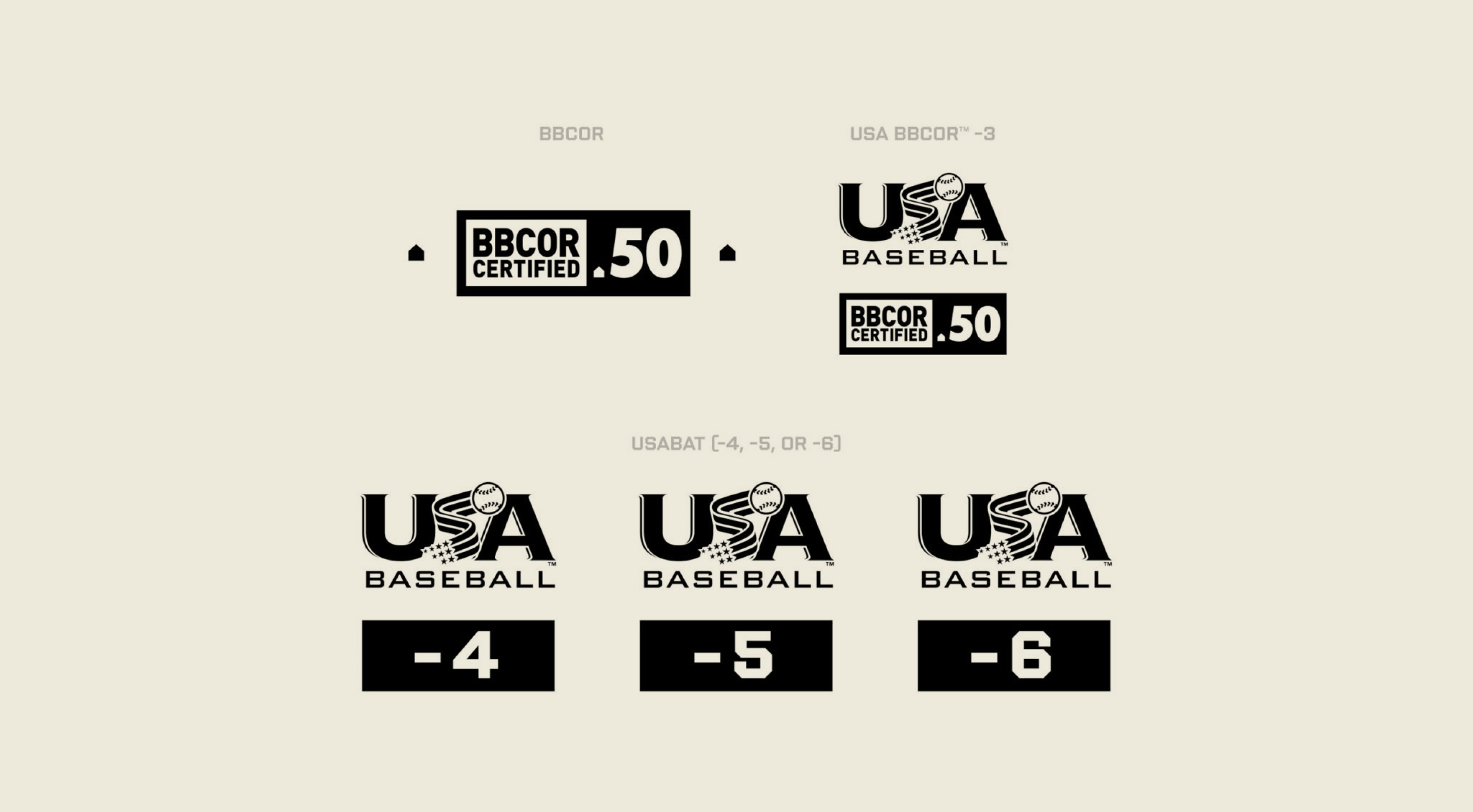
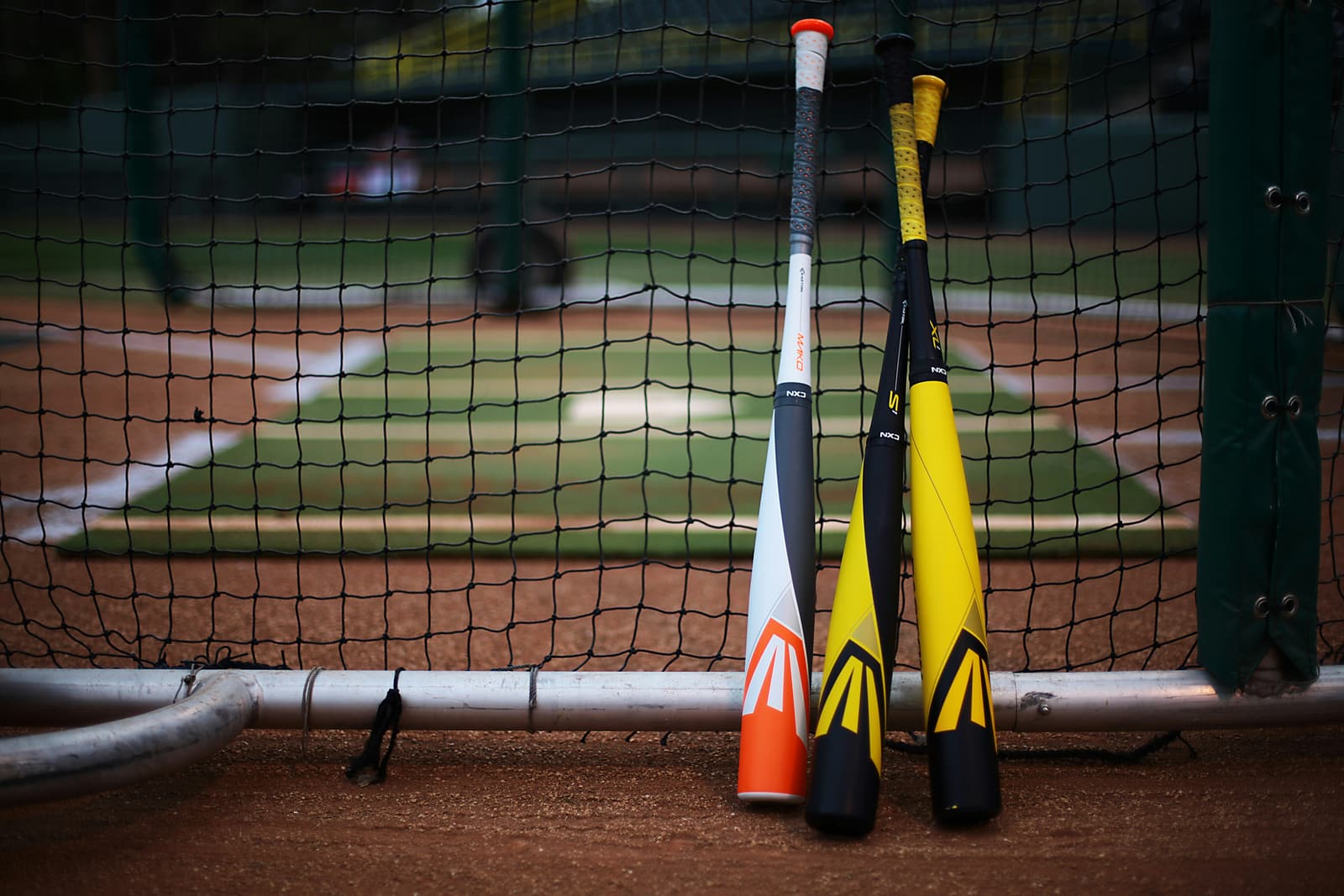
Big bat-rule year. A few weeks ago we covered the high school change — lighter drops coming to BBCOR. The other half of the story hits younger: as of January 1, 2026, USSSA's national 14U events require BBCOR (-3) or wood. The 1.15 BPF stamp that's been the youth standard for a decade is no longer accepted at that level.
If you've got a 12- or 13-year-old in select ball around Pierce County, this is your next two seasons. Here's the parent version.
USSSA bats (the 1.15 BPF stamp) are hotter than BBCOR — that's the whole reason travel ball hitters loved them. The trade-off was a cliff at high school, where everyone drops to BBCOR at once and the ball suddenly stops flying. USSSA pulling 14U national events to BBCOR moves that cliff a year or two earlier — your kid now meets the "real" bat before freshman tryouts instead of at them.
Honestly? As coaches, we like it. The cliff was always coming; earlier and expected beats later and brutal.
Be ready for this, because it's universal: the first month on BBCOR, everyone's numbers dip. Balls that used to sneak over the outfielders get caught. Kids who got by on bat technology suddenly look mortal, and kids with real swings separate from the pack.
That second group is the opportunity. Barrel accuracy, strength through contact, and using the whole field matter more with a -3 in your hands. Everything we do in the garage — high-speed video, contact-point work, fixing the rollover — is exactly the toolkit for this transition.
Three practical notes before you spend anything:
Bat rules keep converging on the same message: the era of equipment doing the hitting is ending, level by level. The swing is the asset. Build the swing.
If your 12–14-year-old is staring down this transition, that's a perfect first session in the garage — we'll film them with their current bat and a -3, show you the actual gap, and build the plan to close it. First one's free.
Related: Tryout prep: how to actually be ready.
Like this? Get the free drill guide.
A coach-written PDF: 5 backyard drills for kids 5–8, with cues, equipment lists, and a sample practice week. Plus the occasional note from The Garage.