Hitting·October 6, 2026

Every few years a piece of gear jumps from MLB to the youth rack almost overnight. Right now it's the torpedo bat — the bowling-pin-shaped barrel that blew up in 2025 and is now sold in youth models everywhere. Parents ask us about them weekly in the garage, so here's the honest coach's take.
A torpedo bat moves barrel mass to where a specific hitter most often makes contact — usually a few inches further in from the end than a traditional barrel. For a big-league hitter with thousands of tracked contact points, that's a real, personalized tweak. The sweet spot goes where that hitter's contact already happens.
Read that again, because it's the whole story: the torpedo is a tool for hitters whose contact point is consistent and known. Which brings us to your 9-year-old.
Most youth hitters don't have a contact pattern yet — they have a contact cloud. Inside, outside, off the end, off the hands, sometimes all four in one game. Moving the sweet spot toward the label helps a kid who gets jammed a lot, and genuinely hurts a kid who catches everything off the end. Until the swing is repeatable, the "optimized" barrel is optimizing for noise.
What we tell garage families: the swing is the upgrade. A $40 fix in swing path beats a $400 barrel shape every time at this age. (Start with why kids roll over if you want the common culprit.)
Two honest use cases:
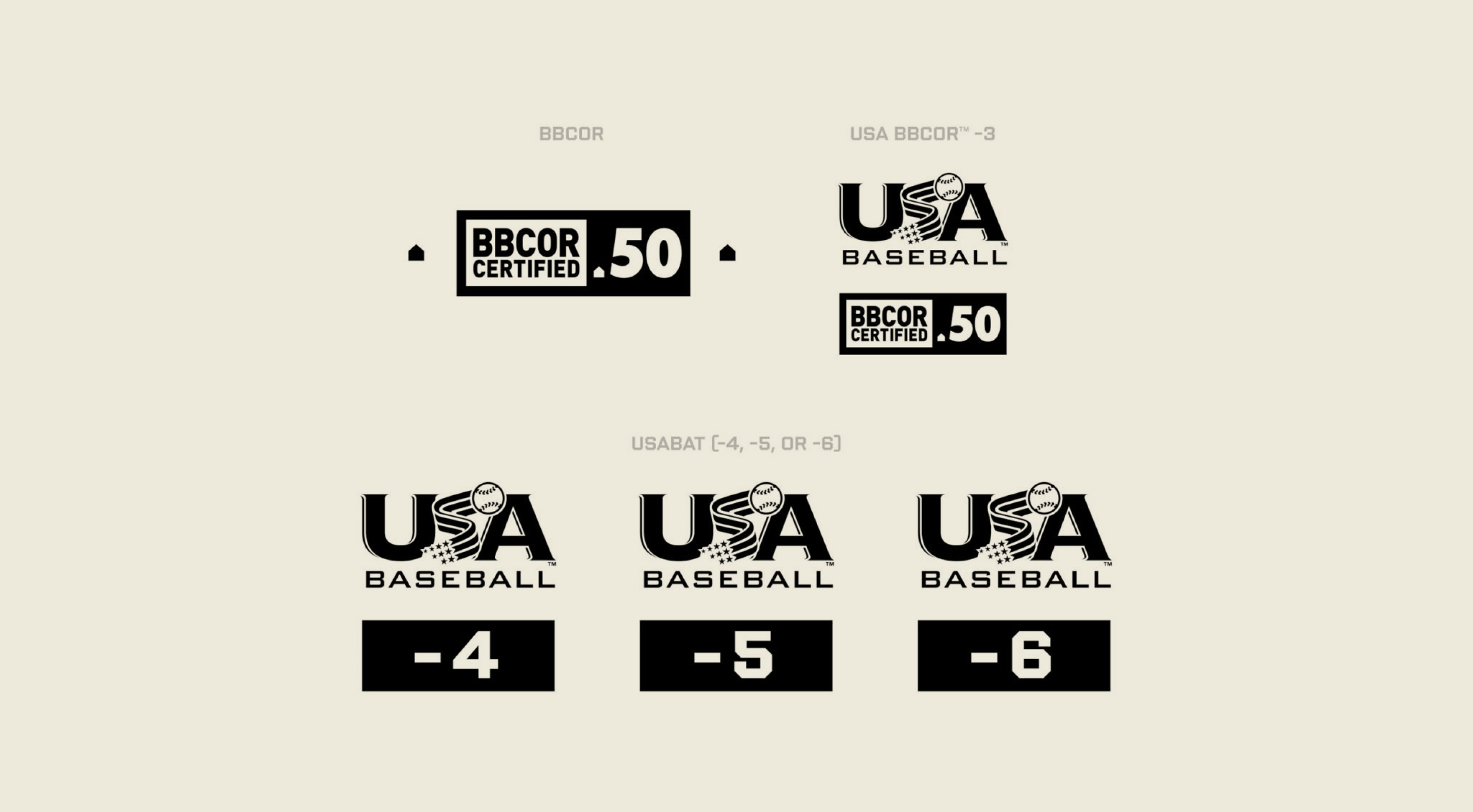
Rules, as of the 2026 season:
Hype: mostly. Headache: only if you buy one expecting it to fix a swing. Help: as a feedback-rich training bat, or for an older kid with a genuinely known contact pattern.
If you're not sure where your kid's contact actually happens — that's literally measurable. We film every rep in the garage at high speed and can show you the contact pattern on video in one session. The first one's free.
Related: How to pick the right bat for your kid.
Like this? Get the free drill guide.
A coach-written PDF: 5 backyard drills for kids 5–8, with cues, equipment lists, and a sample practice week. Plus the occasional note from The Garage.