Parents·October 9, 2026
Spring baseball has standings, playoff pushes, and all-star selections. Fall ball has none of that — and that's exactly why it might be the most valuable baseball your kid plays all year.
Nobody remembers a fall ball record. Which means fall is the one season where the cost of trying something new is basically zero. Here's how we'd spend it.
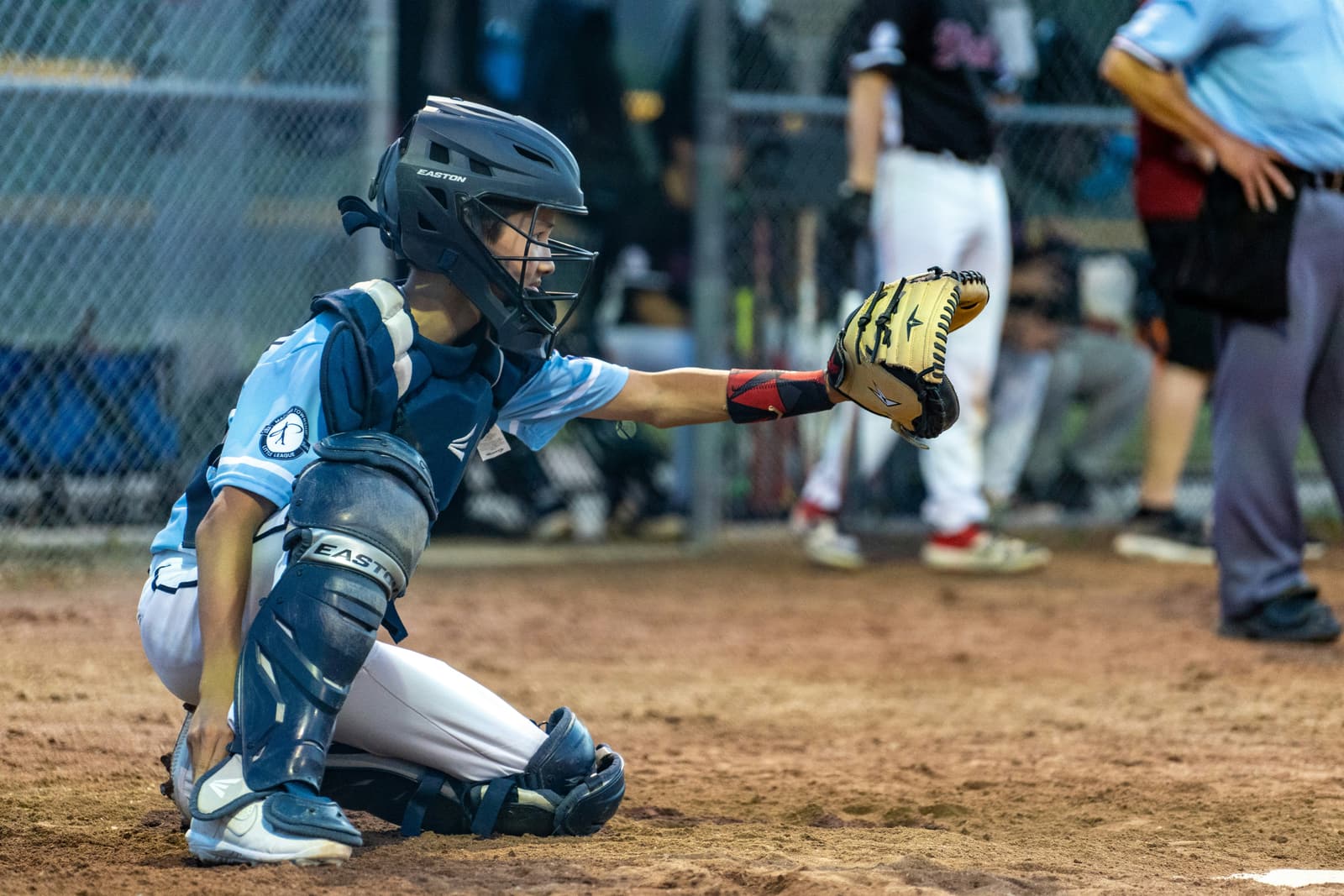
Every team has a kid who's been quietly dying to catch, or pitch, or play short. Spring coaches can't afford the experiment. Fall coaches can — and most are happy to hear a player wants to try something.
If your kid has been curious about a position, this is the season to raise your hand for it. Worst case, they learn it's not for them and that's useful information too. Best case, you find out in October that you have a catcher, and by tryouts in February they've got a real head start.
Swing changes get worse before they get better. There's a window — usually a few hundred reps — where the old move and the new move fight each other and the results look ugly.
You do not want that window to open in April, when every at-bat counts toward playing time. You want it now, when a strikeout costs nothing. If there's a mechanical change your player has been putting off — a quieter load, keeping the weight back, fixing bat drag — fall games are where the new move gets tested against live pitching with zero pressure.
Fall is also for at-bat experiments. Work a deep count on purpose. Take a 2-0 pitch to see more arm angles. Try bunting for a hit once a game. Hit to the opposite field even when pulling feels easier.
These are the skills that separate players at 12U and up, and they only develop when a kid is allowed to fail at them repeatedly. Spring never allows that. Fall does.
Nothing. Genuinely nothing. If your player goes 0-for-3 in a fall game but took two full-count walks with a swing that's mid-rebuild, that was a great day. Say so in the car.
The measure of a good fall season is a simple question in November: is there anything in your kid's game now that wasn't there in August? A new position, a cleaner swing, a better two-strike plan — any one of those beats a fall trophy that doesn't exist anyway.
Fall games are where experiments get tested — but the experiments themselves start in practice reps. That's what we do: film the swing, find the one change worth making, and give your player the drills to groove it before it ever has to survive a live at-bat.
First session is free, and every session comes with the video and a written practice plan. Come run an experiment with us.
Like this? Get the free drill guide.
A coach-written PDF: 5 backyard drills for kids 5–8, with cues, equipment lists, and a sample practice week. Plus the occasional note from The Garage.