

Parents·October 9, 2026
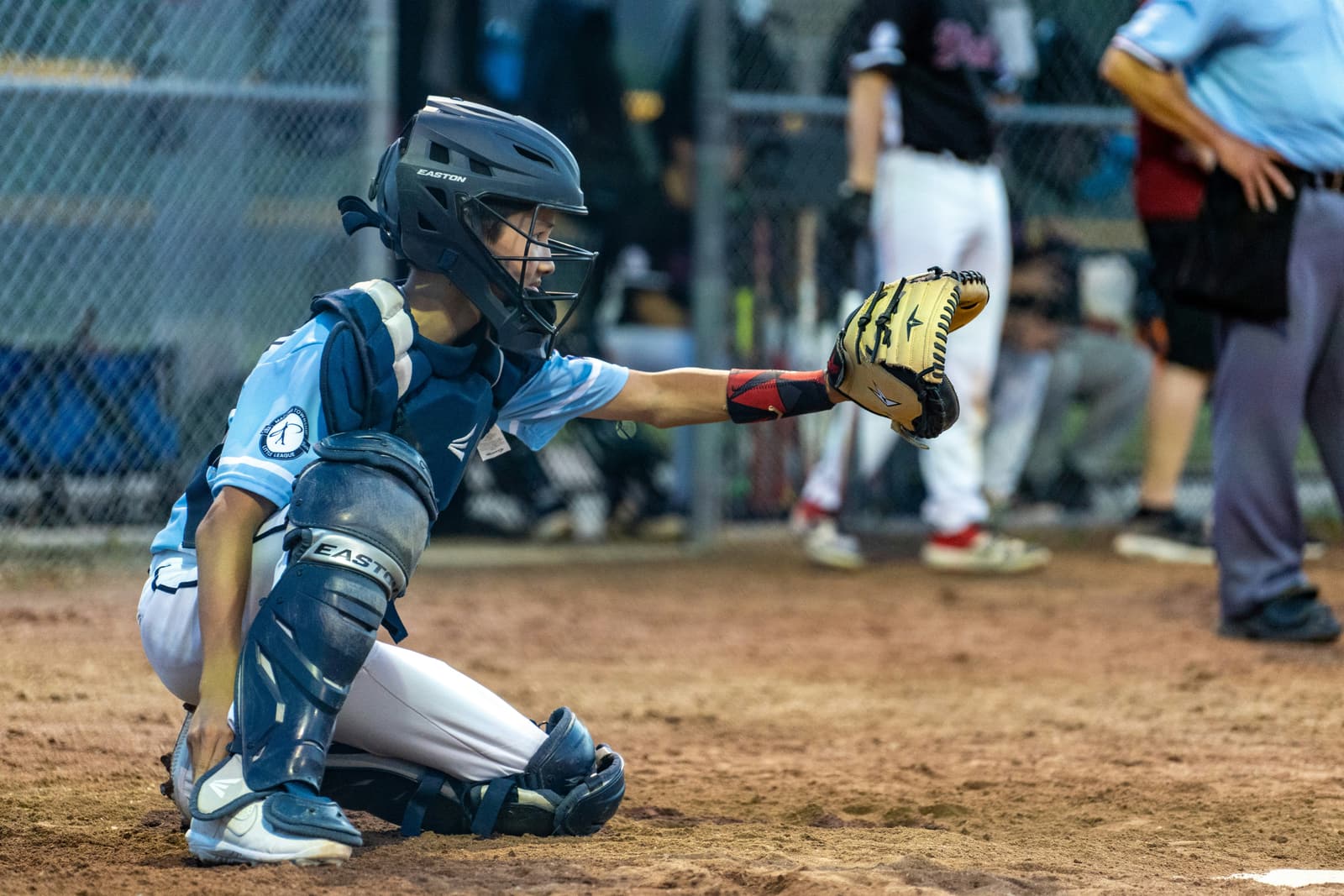
We wrote earlier this summer about watching the Little League World Series with your kid. October is the graduate course. Playoff baseball is the most intense, most detailed baseball played all year — and if you point your young player's eyes at the right things, every game is a free clinic.
Here are the five things worth narrating from the couch. None of them involve the score.
Playoff at-bats are a two-strike masterclass. Watch a big leaguer choke up, widen out, and shorten their swing with two strikes — in an elimination game, with millions watching. Then say the quiet part to your kid: if the best hitters alive change their swing to protect the plate, maybe it's not embarrassing when a coach asks a 12-year-old to do it.
October is where "situational hitting" stops being a coach's lecture and becomes something your kid has seen the best in the world do.
Someone is going to give up a massive, season-threatening home run this October. Watch that pitcher. Count how many seconds of reaction they allow themselves — it's usually about three — and then watch them get the ball back and go to work on the next hitter.
That's the whole mental game, televised. The next time your kid gives up a bomb in a rec game, you both have a shared reference for what comes next.
Playoff broadcasts love the overhead camera. Use it. Show your kid how the shortstop moves two steps with a lefty up, how the outfield shades with the count, how nobody — nobody — is standing still between pitches.
Then the question that turns watching into coaching: "Where would you be standing right now?" Positioning is the cheapest skill in baseball. It costs zero athleticism, and October shows it on every pitch.
Pick a player — ideally your kid's position — and ignore the ball. Watch just them for a half inning: the pre-pitch routine, the little hops into ready position, the constant chatter of glove taps and signals. Kids discover that a Gold Glover is in motion before all 15 pitches of an inning where zero balls came their way.
That discovery does more for lazy pre-pitch habits than a hundred reminders from the dugout.
Somewhere this month, a star making $30 million will strike out three times in a playoff game, and his team might win anyway. This is the single most useful thing on the broadcast. Point at it. "He went 0-for-4 and they won. Baseball's like that."
Kids internalize that failing seven times in ten is the job description a lot faster when they watch the best players on earth do exactly that in the biggest games on earth.
The best October ritual: watch a game one night, hit the next. Kids swing differently the day after playoff baseball — more intent, more imagination, somebody to imitate. That energy is free fuel; catch it while it lasts.
And if your player watches October and decides they want more, that's what the garage is for. Every session filmed, a practice plan in your inbox within 48 hours, and the first one's free.
Like this? Get the free drill guide.
A coach-written PDF: 5 backyard drills for kids 5–8, with cues, equipment lists, and a sample practice week. Plus the occasional note from The Garage.