Parents·October 9, 2026

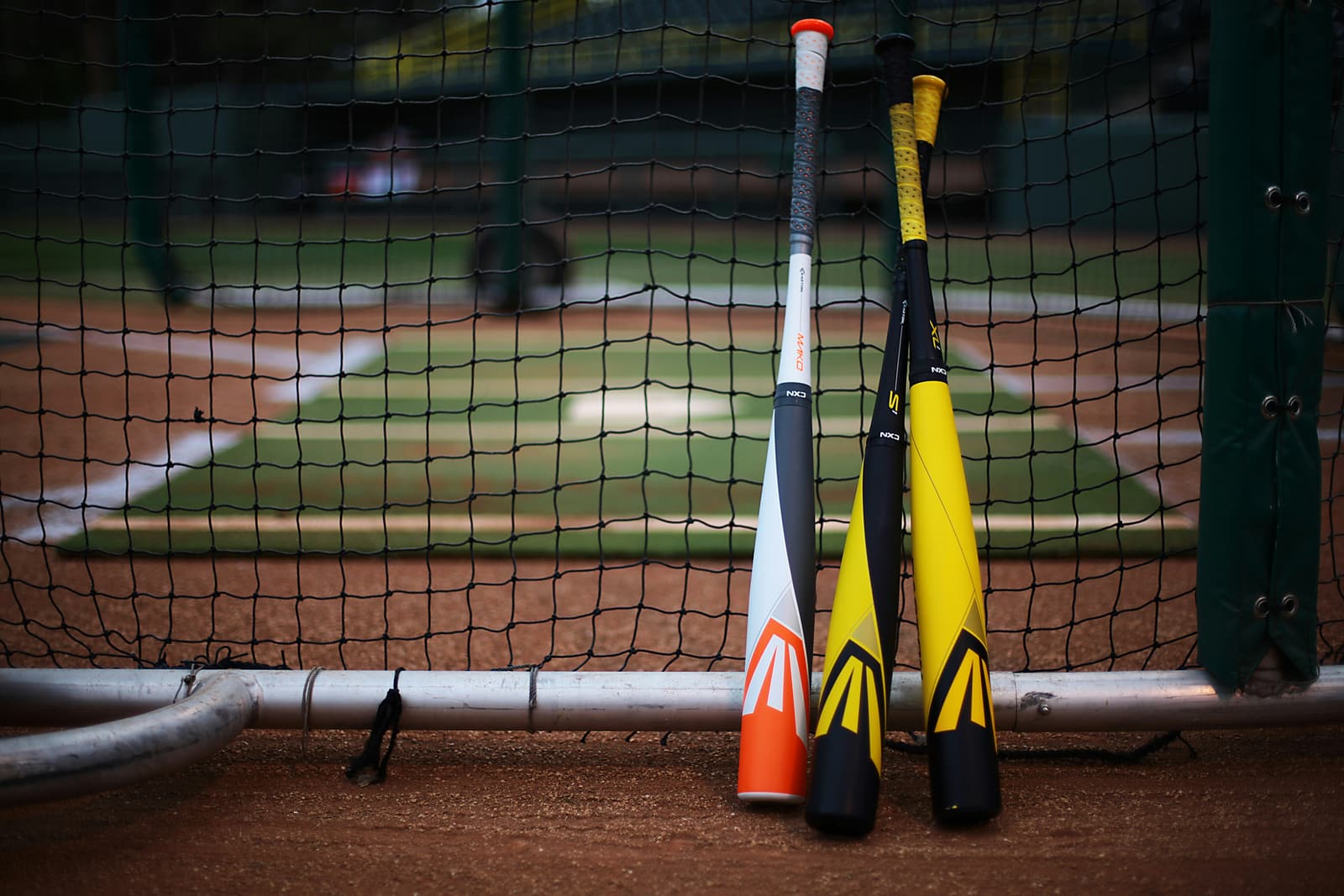
Most kids are swinging the wrong bat. Too long, too heavy, wrong stamp, wrong material. Their swing looks broken not because their mechanics are bad but because they're holding a piece of equipment that doesn't fit them.
We see it at the garage every week. A kid comes in with a $250 composite bat their grandpa bought them because the salesperson at the sporting goods store said it was "the best," and the kid can barely get it through the zone.
This is a coach's no-BS guide to picking the right bat. No affiliate links, no sponsored picks. Just what actually matters and what doesn't.
🎯 The 5-second version:
1. Length is set by the kid's height.
2. Weight is the part you have to test.
3. The right stamp (USA or USSSA) depends on the league.
4. Alloy is fine. Composite is fine. Both can be great or terrible.
5. Past a certain point, more money buys marketing, not performance.
A bat that's too long pulls the front shoulder out. A bat that's too heavy makes the swing late and the finish ugly. A bat that's the wrong material can ding on every contact and rattle a kid out of their swing.
Kids adapt to bad equipment by changing their mechanics. The bad mechanics then stick, even after the equipment gets fixed.
Get the bat right early and you save a year of "why does my kid swing like that?"
Length is determined by the kid, not by their age. Here is the simplest test:
Rough age-to-length starting points:
Go to the shorter end if your kid is on the small side, longer if they're tall. Don't "buy up" hoping they'll grow into it. A kid swinging a bat one or two inches too long is the most common bat mistake, and it builds bad habits fast.
Weight is described as a drop. The drop is the difference between the bat's length in inches and its weight in ounces. A 28-inch bat that weighs 18 ounces is a -10 drop. The bigger the drop number, the lighter the bat.
How to test in the store:
Most parents err heavy. They think a heavier bat hits the ball harder. At the youth level, it doesn't. Bat speed matters way more than bat weight until the high school years. A 7-year-old with a fast swing puts more energy into the ball than the same kid with a slow swing of a heavier bat.
When in doubt, go lighter.
This is where it gets confusing. Different leagues require different bat certifications.
Most important rule: ask your league before buying. Some kids play in two leagues with different requirements and need two bats. Most leagues will tell you on the registration form.
USA bats tend to feel heavier and "deader" than USSSA bats of the same length. Some kids who jump from USA rec ball to USSSA travel ball get a noticeable bump in performance just from the bat change, not because they got better.
Alloy (aluminum): Single piece, hot out of the wrapper, durable. Cheaper. Slightly less forgiving on mishits. Good first bat for kids 5–10.
Composite: Multi-piece, often graphite-blended. Larger sweet spot. Reduces vibration. More expensive. Needs a break-in period (~150 swings) before it performs at its best. Good for kids who are committed and play often.
Hybrid: Composite handle, alloy barrel. Tries to get the best of both. Usually mid-priced.
For most kids 5–10, a quality alloy bat is fine. The difference between a $80 alloy bat and a $250 composite bat at that age is mostly marketing. Save the composite money for ages 11+ when bat performance actually starts to matter.
This takes 20 minutes in a store. It saves a year of "my kid can't hit" frustration.
There are many different stamps and they all mean different things. Before you go shopping for a bat, know which one you’re looking for. Checkout this article for a Complete Breakdown of the Baseball Bat Stamps.
Kids grow about 2 inches a year. A bat that fit perfectly last spring might be an inch short by next summer. Plan to re-measure every spring.
The most common upgrade window:
If your kid is between sizes, hold off another month and re-measure. A bat one inch too short is far better than one inch too long.
Half the kids who come to the garage with "my swing is broken" have an equipment issue, not a mechanics issue. We sort that out in the first 10 minutes of the first session. Recorded, walked through after, plan home in 48 hours.
Families in Bonney Lake, Sumner, Lake Tapps, Puyallup, and Auburn get a free first session, no commitment.
Like this? Get the free drill guide.
A coach-written PDF: 5 backyard drills for kids 5–8, with cues, equipment lists, and a sample practice week. Plus the occasional note from The Garage.