Drills·September 27, 2026
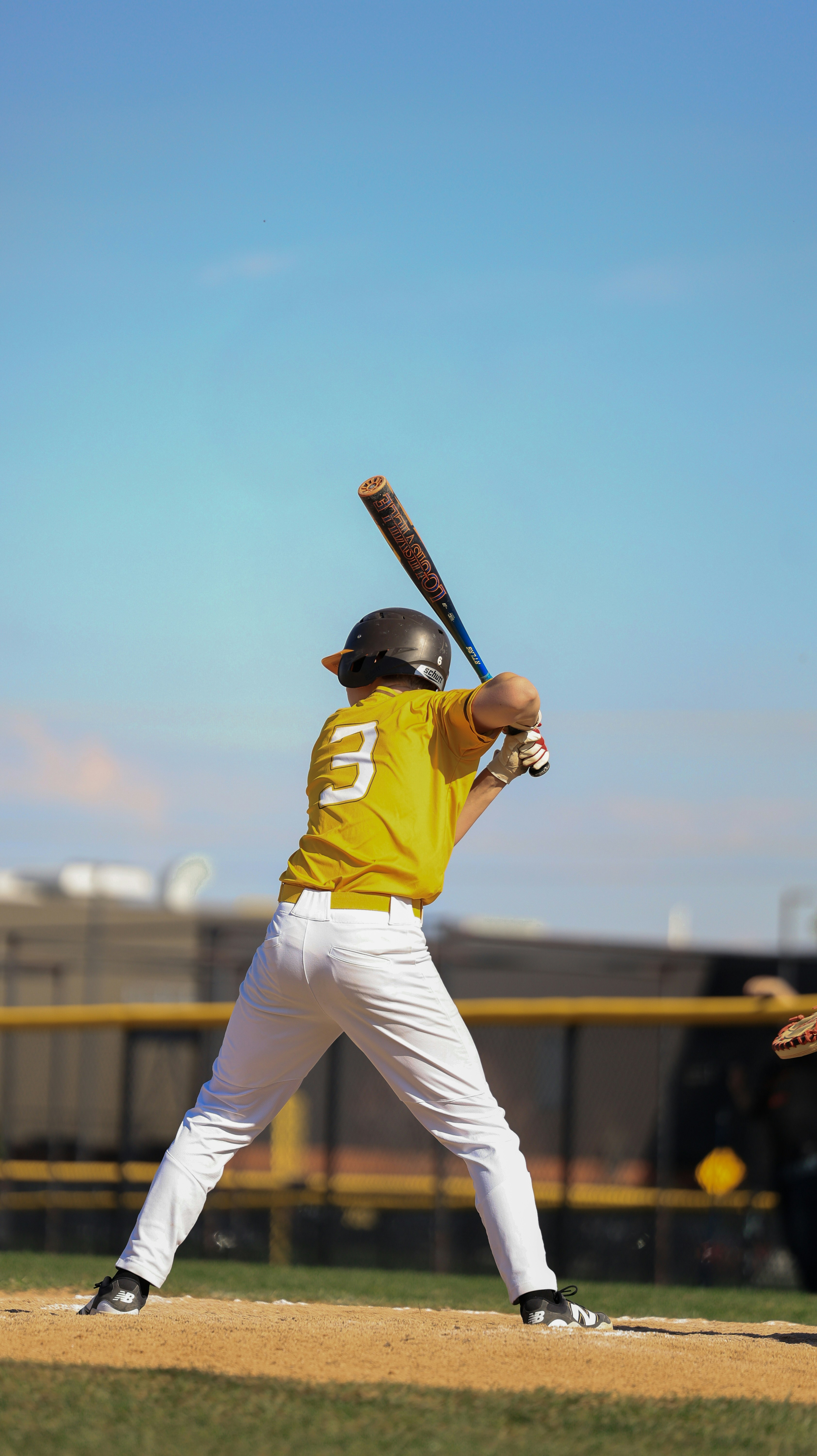
If you ran the 5–8 drills with your kid last year, this is the next chapter. Same garage philosophy: short, repeatable, no fancy equipment. But the reps get sharper, the cues get smaller, and the kid starts owning more of the work.
At 9–11, the gap between players widens fast. The kids who put in 15 focused minutes between team practices pull ahead, and the ones who only show up to practice fall behind. Backyard work is no longer optional if your kid wants to keep playing competitively. The good news: it's still simple. Bat, ball, glove, fifteen minutes.
🎯 The 5 Drills:
1. Wall Catch + Backhand. Fielding under pressure.
2. Front Toss to Zones. Hitting with intent.
3. One-Arm Tee Work. Mechanics no one teaches them.
4. Quick-Feet Throws. The throw is the rep that matters.
5. The Two-Minute Game. Pressure reps in fun packaging.
Three sessions a week, 15 minutes each. That's the prescription.
The 5–8 drills are about getting reps in any form. 9–11 is different. They've made contact with a bat enough times that contact alone isn't the goal anymore. Now the goal is clean contact, balanced finishes, and throws that go where they're aimed.
The shift in coaching cues:
The drills below are the same shape as the younger version. The standard is higher.
What it builds: Fielding hands, glove transfer, backhand mechanics
Equipment: Wall, tennis ball, glove
Time: 6 minutes
Same setup as the 5–8 wall drill: stand 8 to 12 feet from a flat wall, throw a tennis ball, catch the rebound. The progression at this age:
Coaching cue: "Funnel everything to your belt. Glove and throwing hand together."
The backhand is where most kids this age lose ground. They go years without practicing it, then a ball is hit to their backhand side in a game and they panic. Five minutes of backhand reps a week, all season, fixes that completely.
What it builds: Plate discipline, zone awareness, balanced swings
Equipment: Bucket of 10–20 wiffle balls (or tennis balls), bat, an open space
Time: 8 minutes
Kneel or sit on a bucket 12 feet in front of your kid. Toss underhand into specific zones:
Coaching cue: "Same swing for every zone. Different contact point."
The inside‐outside split is the foundation of hitting. Kids who only swing at meatballs down the middle never learn to handle the pitches that actually get them out in a game. This drill teaches them their swing isn't broken when they miss a pitch, they just used the wrong contact point.
What it builds: Lead-arm extension, back-arm path, swing mechanics most coaches skip
Equipment: Tee, ball, bat. A lighter bat if you have one.
Time: 5 minutes
Set up the tee at belt level. Take a normal swing, but hold the bat with one hand only.
Lighten the bat if needed. Even a wiffle bat works for the one-arm portion if their regular bat feels heavy.
Coaching cue: "Lead arm pulls through. Back arm doesn't push, it extends."
Nobody teaches this until kids start showing up to high‐school tryouts, by which point bad habits are baked in. One‐arm work isolates each side of the swing and forces clean mechanics. Five minutes a week, all season, will be visible by midsummer.
If the bat feels too heavy for one arm, that's a sign the kid is over‐bat. Drop a length and a couple ounces and watch what happens.
What it builds: Footwork into the throw, throwing accuracy, game-speed reps
Equipment: Glove, ball, partner, 30 feet of open space
Time: 6 minutes
Stand 30 feet apart. Partner rolls or hits a soft grounder to your kid's right, left, or straight at them. Kid fields it, takes one quick crow‐hop, and throws back chest‐high.
Key: it's all about the throw, not the catch. Fielding the ball is just the setup. The throw is the rep.
Ten reps, then switch. Vary direction, vary speed, vary distance.
Coaching cue: "Feet first, then throw. Belly button at the target."
At 9–11, fielding without a follow‐up throw is half a play. Pro infielders are good fielders because their footwork into the throw is automatic. That automatic part takes thousands of reps. Start now.
What it builds: Pressure tolerance, focus, the ability to perform when it counts
Equipment: Whatever the underlying drill needs. Plus a timer.
Time: 2 minutes per round, 3 rounds
Pick any drill from above (or any drill you like). Set a 2‐minute timer. Count the reps.
Examples:
Write the number down. Try to beat it next time.
The rule: if they mess up a rep, they have to do that one over before it counts. No padding the number with sloppy reps.
Why this works: a 2‐minute timer creates real pressure. Kids who can perform under a timer can perform in a game. Kids who can't, can't. This drill teaches them that the way they practice IS the way they play.
It's also wildly addictive. Don't be surprised when they ask for another round.
Tuesday (15 min)
Thursday (15 min)
Saturday (15 min)
Three sessions, 45 minutes total. That's more focused work than most kids on most rec teams get all week.
A few specific anti‐patterns for this age:
This is exactly what we do at Garage Built Baseball. Every player gets a recorded session, a coach analysis sent home within 48 hours, and a custom practice plan like the one above — written for where your kid actually is and what they need to work on next.
Coach Andy works with players 12 and up, plus high‐school prep. Coach Dylan handles 5–12 and defensive foundations. Families in Bonney Lake, Sumner, Lake Tapps, Puyallup, and Auburn get a free first session, no commitment.
Like this? Get the free drill guide.
A coach-written PDF: 5 backyard drills for kids 5–8, with cues, equipment lists, and a sample practice week. Plus the occasional note from The Garage.