Pitching·August 26, 2026
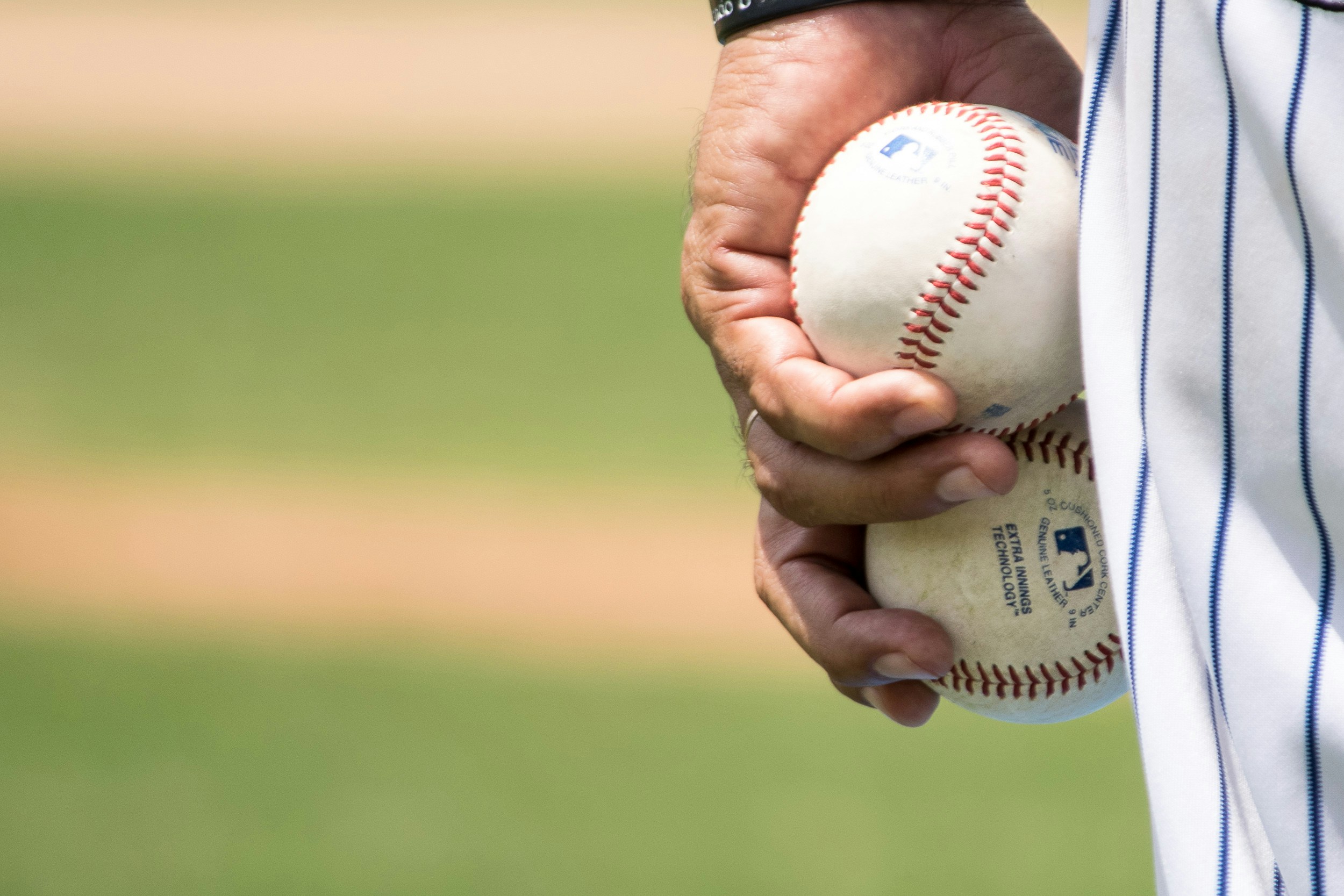
This one comes up in the garage constantly, usually from a parent whose 8-year-old just got handed the ball in a rec game: should we be doing pitching lessons?
The honest answer: later than the anxious timeline running in your head, and earlier than never. Here's how we break it down by age.
At this age the job is a good throw, not a good pitch. Clean arm action, using the whole body, hitting a target — that's the foundation everything else stands on, and it's built with catch play, not bullpens.
If a kid this age is "pitching" in games, what they need is simple: a repeatable delivery to the mitt and an adult watching their workload. What they don't need is a weekly bullpen routine, a velocity program, or anyone's opinion about their breaking ball.
This is the sweet spot to start actual pitching instruction, for two reasons:
What good lessons look like at this age: delivery mechanics, fastball command to both sides of the plate, a changeup, and arm-care habits that travel with them. That's the whole menu.
On curveballs: our rule in the garage is fastball command plus a real changeup come first — for most kids that means breaking balls wait until 13-plus. A 12U kid with a big curve is winning games in the present by borrowing against the future. It's not worth it.
Same as everything in the garage: film it, tell you the truth, send home a plan. We'll look at the delivery in slow motion, check arm action against workload, and show you both what's good and what needs work — most parents have never actually seen their kid's delivery at 120 frames per second, and it changes the whole conversation.
The first session is free. We coach young arms from Bonney Lake, Sumner, Puyallup, Lake Tapps, and around Pierce County.
Related: How much practice between games is actually enough?
Like this? Get the free drill guide.
A coach-written PDF: 5 backyard drills for kids 5–8, with cues, equipment lists, and a sample practice week. Plus the occasional note from The Garage.